 Brown&Co


Pressure on UK arable and potato sectors but outlook “mildly positive”
Tue 03 Nov 2026
The UK’s status as a price taker in global grain markets means that the ongoing conflict in the Black Sea region is continuing to disproportionately impact grain values domestically.
After what had been a two-year period of relative calm, recent disruption has seen the USDA export prospects from Russia downgraded by 1.5m tonnes and by 1m tonnes from Ukraine.
As a consequence, prices have gained some ground, except in Russia itself which has experienced harvest pressures and logistical constraints.
Turkey has pushed to broker a new deal to restore safe shipping routes while Russia is reported to be re-routing some grain through the Baltic, but this will do little to ease export constraints.
Russia’s threat of an escalation in its missile strikes on Ukraine have added further tension.
It is not only war that is disrupting global grain supplies as extreme weather patterns associated with a changing climate is impacting harvests, and increasingly so.
This has resulted in an obvious reduction in actual harvest yields or projections from large producer-exporter countries - the US, Canada, Brazil, Argentina, Australia, Germany, France and Poland.
While favourable weather has benefitted some countries and crops, oilseed in particular, the overall picture points to extreme weather becoming a more structural pattern rather than an exceptional event.
In 2026, amid severely challenging heat and moisture levels, the UK experienced its earliest harvest for at least 20 years. The extent of rainfall and soil moisture retention across the regions and soil types played a significant role in crop success or otherwise. Crops grown on lighter land fared badly, spring crops too, and there was a mixed bag of results for winter cereal yields.
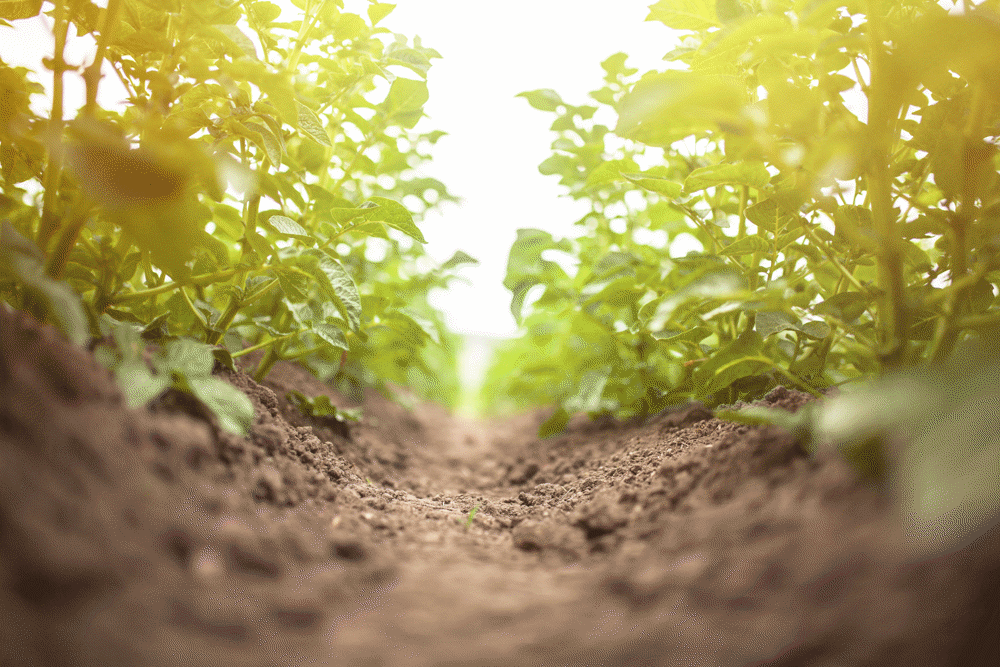
Unlike grain and oilseed, potato markets are much more regional due to storage requirement and cost which leaves domestic production exposed to growing and storage conditions in the country of origin, a situation not easily remedied by import-export trade.
Europe’s biggest potato growing countries – the Netherlands, Belgium, Germany, Poland and France - saw oversupply in 2025 and this pushed up storage costs and depressed processor prices.
The result was a significant contraction in the planting area for the 2026 crop. With the added pressure of extreme drought during critical crop development stages, forecasts point to tight supply this year.
The UK’s own potato harvest outlook has already been dubbed as the worst in a generation. There is a clear split between farms that have had access to irrigation and those that haven’t but even for those with irrigation infrastructure, water abstraction was limited after bans were introduced in some regions during the summer drought.
The cost of irrigation is also questionable once capital spend on equipment is factored in together with spend on the labour, fuel and electricity associated with operating that kit.
Water availability is rapidly becoming the defining issue for the potato sector, superseding many traditional concerns such as labour shortages and storage costs.
It is anticipated that supply chains will be under pressure when the main crop is harvested this year and consumers can expect fewer and smaller potatoes.
There are positives for the potato sector though, notably the ending of the GB seed potato trade freeze with the EU and Northern Ireland. The absence of an agreement on phytosanitary rules for seed potatoes has cost the Scottish seed sector £13.5m a year in lost trade over the last five years and has forced Irish and Northern Ireland growers to source elsewhere but this situation has now been addressed with a broader UK-EU sanitary and phytosanitary agreement which will take effect in mid-2027.
As world stocks tighten, crop margins in 2027 are likely to be driven by yield rather than marketing, although weather conditions and input prices add several layers of uncertainty.
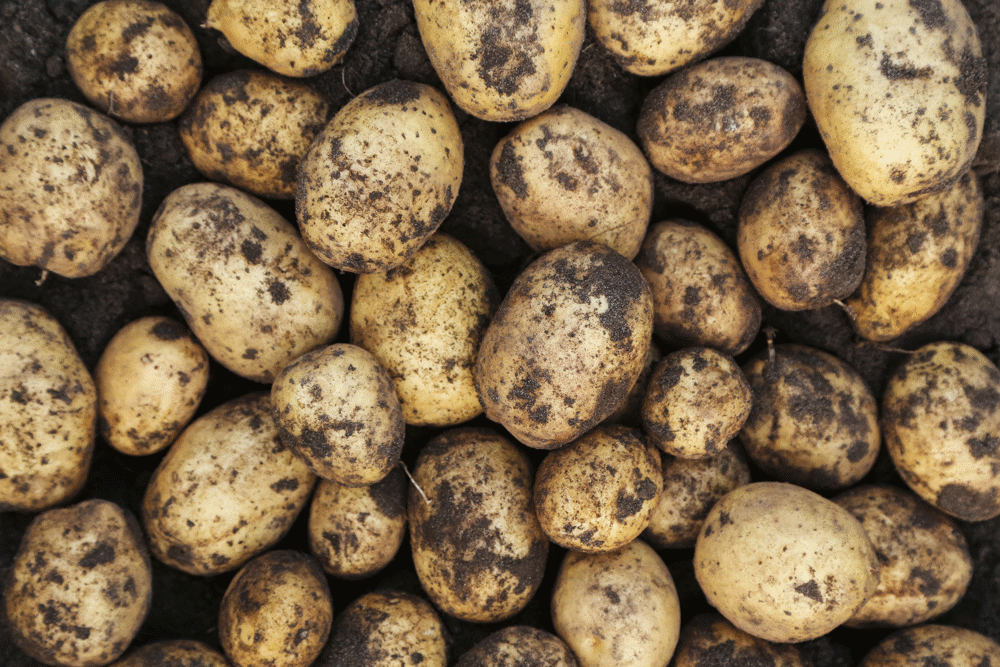
For potatoes, stronger prices are likely to be offset by lower yields and higher production risks following drought across much of northern Europe.
The focus is now on maize yields across Europe, projected to be much lower than in 2025. This could benefit UK feed crop prices by increasing the need for imports.
From a British perspective, while there is much uncertainty in the arable and crop sectors, the outlook for the next 12 months does look mildly positive.
Keep updated
Keep up-to-date with our latest news and updates. Sign up below and we'll add you to our mailing list.